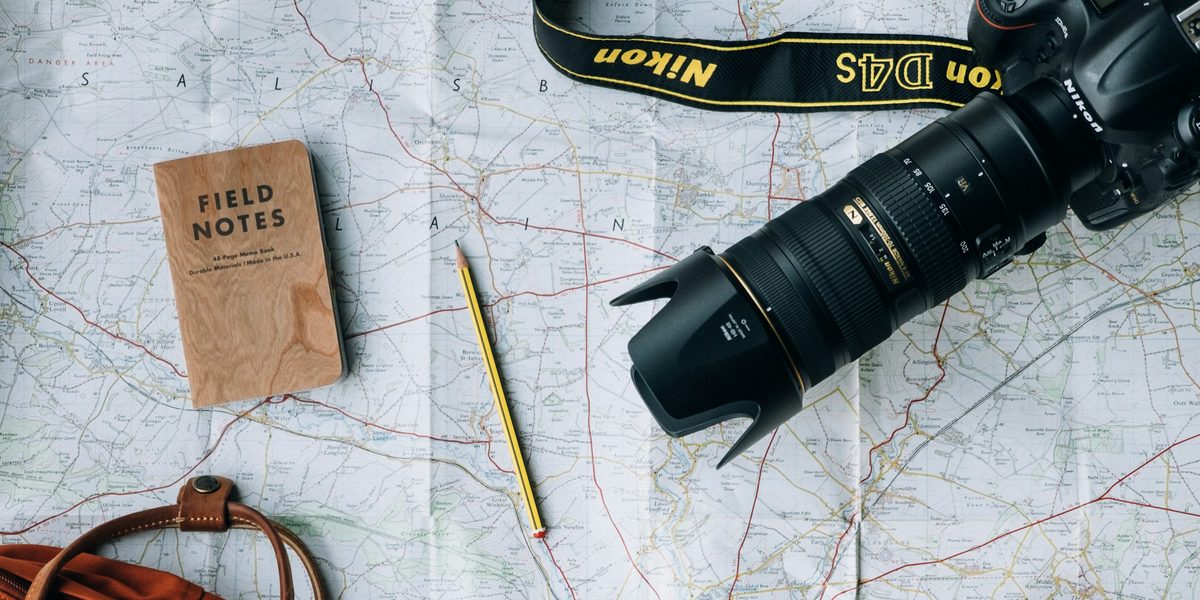
What to Pack for Rwanda
Complete packing checklist tailored to Rwanda's climate and culture
Climate Overview for Rwanda
Rwanda enjoys a temperate climate due to its high elevation, often called the land of a thousand hills. Expect no equatorial furnace here. Mornings start cool and misty, the hills wrapped in soft fog. By midday the sun burns clear and warm. Afternoon showers roll in fast, sudden and refreshing, scenting the red earth. Nights turn crisp. Bring a light layer. Pack for sun, rain, and chill in one day.
Clothing & Footwear
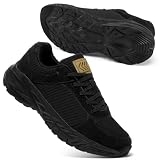
The terrain in Rwanda is famously hilly, with steep, red-dirt paths common even in Kigali's neighborhoods. Your feet will feel every cobblestone and trail. A supportive pair like the Skechers Go Walk Max will cushion your steps as you navigate the city's slopes or walk the grounds of the Genocide Memorial.

Humidity can be present, and laundry facilities may be limited on longer tours or gorilla treks. Quick-dry fabric ensures items washed in your sink overnight will be ready by morning, a practical solution for Rwanda's itineraries that often involve moving between lodges.
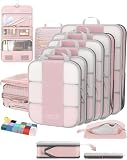
Rwanda's domestic flights on smaller aircraft and the popular 4x4 safari vehicles have strict luggage limits. Compression cubes help you organize and condense your wardrobe, maximizing space for the modest weight allowances common on trips to Volcanoes National Park.

Good for day trips from Kigali to the markets of Nyamirambo or a visit to the Inema Arts Centre. A packable bag takes up no room in your main luggage but is indispensable for carrying a water bottle, a light jacket for cooler moments, and any local crafts you acquire.
Electronics & Gadgets

Rwanda primarily uses Type C and Type G outlets, the same as in much of Europe. A universal adapter like this one ensures you can plug in your devices at hotels in Kigali and lodges near the national parks without hassle.

Power outlets can be scarce during long drives through the Rwandan countryside or on full-day gorilla trekking adventures. A high-capacity power bank guarantees your phone and camera stay charged to capture the sight of a mountain gorilla family in the misty forest.

Having multiple durable cables is wise. One can live in your daypack, another by your bed, and a third as a backup. The braided nylon withstands the wear of travel across Rwanda's varied environments, from dusty roads to humid rainforests.
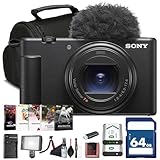
For capturing the vivid greens of the Nyungwe Forest canopy or the expressive faces of the golden monkeys, a quality compact camera is ideal. It is less cumbersome than a DSLR on challenging treks and discreet enough for cultural visits in Rwanda.

Older lodges in remote parts of Rwanda may have limited outlets. A compact power strip lets you charge multiple devices from a single wall socket, which is invaluable when you need to power cameras, phones, and headlamps overnight.
Toiletries & Health

A basic kit is important for treating minor cuts, blisters from hiking, or stomach upsets. While pharmacies exist in Kigali, having immediate access to antiseptic wipes, plasters, and anti-diarrheal tablets provides peace of mind when you are hours from a major city.

Solid bars eliminate liquid spill risks in your luggage and are environmentally friendly, aligning with Rwanda's strict ban on single-use plastics. They perform reliably in various water conditions you might encounter at safari lodges.

Managing medication schedules across time zone changes and busy Rwanda itineraries is easier with a dedicated organizer. It also keeps pills dry in the humid mountain air and organized during travel between regions.
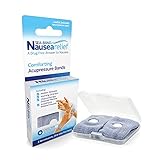
The winding roads through Rwanda's thousand hills, the route to Lake Kivu or Volcanoes National Park, can induce nausea. Drug-free acupressure bands offer relief without drowsiness, allowing you to enjoy the sweeping views.
Documents & Security
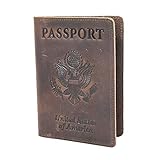
This keeps your passport, Rwandan visa, and yellow fever certificate neatly together and protected from digital skimming. It presents a professional appearance when required at border checks or upscale hotels in Kigali.

While Rwanda is considered safe, a money belt provides discreet security for larger amounts of cash needed for park fees, which can be substantial, and your primary credit cards when exploring markets.

Use these to secure your main suitcase and daypack zippers. They provide a basic deterrent and peace of mind during transit through airports and when leaving luggage at lodges during day excursions in Rwanda.
Comfort & Convenience

Early morning starts are standard for gorilla trekking or safari drives in Rwanda. A quality sleep mask ensures rest despite pre-dawn activity outside your lodge or unfamiliar lighting conditions.
Staying hydrated is key in Rwanda's climate. A collapsible bottle is easy to refill, saves space when empty, and helps you avoid single-use plastic bottles, respecting the country's environmental laws.
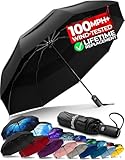
Sudden, brief downpours are common, in the afternoon. A sturdy, compact umbrella will keep you dry during a walk in Kigali or while waiting for transport, without taking up much room in your daypack.

Good for spontaneous visits to Kigali's Kimironko Market for textiles or fruit. It carries your purchases and demonstrates respect for Rwanda's plastic bag ban. It folds into a tiny pouch when not in use.
Outdoor & Hiking Gear

Essential for gorilla and golden monkey trekking in Volcanoes National Park. The trails are steep, muddy, and slippery. Poles provide important stability and reduce knee strain as you climb through the dense, wet bamboo forest.
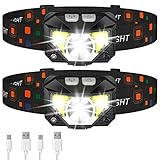
Pack a headlamp for dawn walks from park headquarters to trailheads. Darkness hides roots and ruts. Lodges have dim paths. Power cuts hit rural Rwanda without warning. Light keeps you upright.

Bottled water is everywhere, yet a filter sets you free. Refill from lodge taps or mountain streams. Stay hydrated. Cut plastic. Simple choice.
Seasonal Packing Adjustments
What to add or skip depending on when you visit
Long Dry Season
June, July, August, September
Add: Lip balm with SPF, A slightly warmer layer for evenings
Shop Long Dry Season essentials →Skip: Heavier rain gear
Days blaze sunny and dry. Air bites crisp at altitude. Dry leaves crackle under boots. Pack a light jacket for cool mountain evenings.
Short Dry Season
December, January, February
Add: All items from Long Dry Season
Shop Short Dry Season essentials →Same long dry season, just warmer. Peak travel time. Hills roll clear to the horizon. Bird calls slice through dry forest air. Sunscreen is non-negotiable.
Rainy Seasons
March, April, May, October, November
Add: Waterproof backpack cover, Quick-dry trousers, Sturdy waterproof hiking boots
Shop Rainy Seasons essentials →Skip: Lightweight shoes unsuitable for mud
Afternoons erupt in heavy showers. Green explodes everywhere. Earth smells alive. Trails turn to slick mud. Roads slow. Umbrella and waterproof layers never leave your pack.
Luggage Recommendation
Choose a medium-sized, durable duffel or soft-sided suitcase. It slides into the tight luggage bays of 4x4 Land Cruisers. A hard-shell carry-on works for Kigali. Yet pair it with a compressible duffel for longer circuits. Domestic flights and gorilla porters cap weight at 15kg. Pack light or pay extra.
Shop Carry-On Luggage on AmazonPro Packing Tips
Practical advice from experienced travelers
Don't Pack
- Leave expensive jewelry and flashy watches at home. They draw eyes in crowded areas. Not worth the risk.
- Skip heavy winter coats. Rwanda's climate stays temperate. Layering beats bulky insulation every time.
- Do not haul crates of bottled water. Buy sealed bottles cheaply on the ground. Better yet, carry a filter bottle and refill from safe taps. Less plastic, same hydration.
- Forget mosquito nets. Even budget lodges across Rwanda supply them. Double-check when you book.
- Formal evening wear gathers dust. Rwanda favors smart-casual. Neat trousers and a collared shirt, or a simple dress, work for Kigali's top tables.
Buy Locally
- Grab a local SIM at MTN or Airtel kiosks inside Kigali International Airport or any town center. Data is cheap. Coverage blankets Rwanda.
- Hunt for Agaseke baskets or Imigongo art. Cooperative shops like Rwanda Heritage and Caplaki market in Kigali sell authentic pieces. Money reaches artisans directly.
- Rwandan coffee and tea deserve suitcase space. Skip supermarket aisles. Head to Question Coffee in Kigali for beans roasted that morning. Expect notes of citrus and dark chocolate.
Packing Hacks
- Roll clothes instead of folding to save space
- Pack shoes in shower caps to protect clothes
- Use packing cubes to stay organized
- Keep essentials in your carry-on
Continue Planning Your Trip
More guides to help you prepare
Ready to plan your trip to Rwanda?
Now that you've got the research covered, here's where to go next.