Things to Do in Rwanda
Where gorillas hold your gaze and a nation holds its nerve
Top Things to Do in Rwanda
Find activities and tours you'll actually want to do. Book through our partners -- no booking fees.


Plan Your Trip
Essential guides for timing and budgeting
Climate Guide
Best times to visit based on weather and events
View guide →Day Trips
The best excursions and nearby destinations worth the journey
Explore day trips →Where to Stay
Best neighbourhoods, hotel picks, and booking tips
Find hotels →Travel Insurance
What's required, what coverage matters, and how to get a quote
Read guide →What to Pack
Climate-specific gear, essentials, and what to leave at home
See packing list →When Should You Visit Rwanda?
Tap a month for weather, crowds, and highlights
View full year-round climate guide →Your Guide to Rwanda
About Rwanda
Rwanda greets you first with altitude. Step off at Kigali International and the air hits thin, cool at 1,500 meters, carrying the iron-red scent of laterite soil and, when the wind shifts, woodsmoke drifting up from the hillside neighborhoods of Nyamirambo. Kigali sprawls across steep ridges and valleys that make flat ground feel like a rumor, and every hilltop repays the climb with another wave of green rolling toward the horizon.
The capital is almost certainly the cleanest city you will visit this year. Plastic bags have been banned here since 2008. The monthly umuganda community cleaning empties the sidewalks around Kimironko Market of vendors and fills them with neighbors sweeping, weeding, and clearing drains until the streets look pressure-washed by noon.
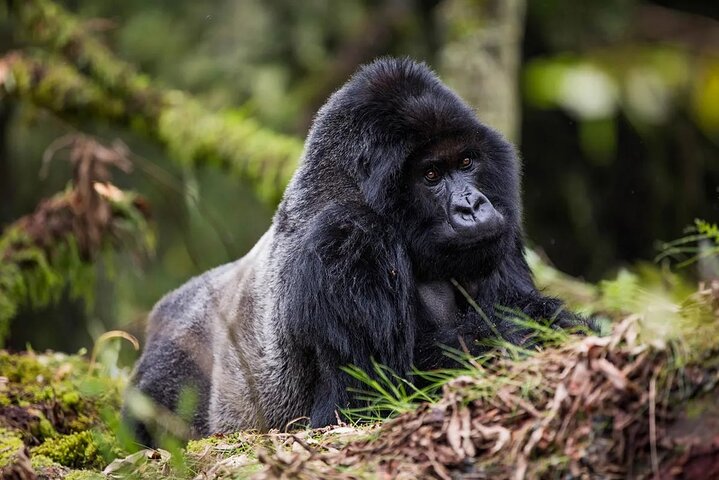
The Kigali Genocide Memorial is devastating and essential. The coffee roasters in Kiyovu serve some of the best single-origin cups on the continent. The evening warmth along KN 82 Street feels like a neighborhood still figuring out how good it is about to become. The real draw sits two hours northwest. There the Virunga volcanoes rise into permanent cloud and families of mountain gorillas move through bamboo forest thick with moisture and silence.
Tracking permits are likely the most expensive wildlife experience in Africa, and worth every bit of what you pay. An hour sitting three meters from a silverback whose chest is wider than your shoulders rewrites what you thought the word wild meant. Rwanda is small enough that Lake Kivu's freshwater shoreline at Rubavu, the chimpanzee canopy of Nyungwe Forest, and Akagera's savanna game drives all fit into a single week.
The country is orderly, safe, and ambitious at a pace that startles nearly everyone who arrives carrying old assumptions. Leave those at the airport.
Travel Tips
Transportation: Kigali runs on motos. Motorcycle taxis thread through the city's ridge-and-valley geography faster than any car. Helmets are mandatory and provided. This separates Rwanda from most of East Africa right away. For longer distances, Volcano Express and Ritco run comfortable buses between Kigali, Musanze, Rubavu, and Huye on roads so well-maintained they tend to catch first-time visitors off guard. Avoid renting a car unless you are comfortable with steep switchbacks and a local overtaking style that favors confidence over sightlines. Motos cost a fraction of what hotel-arranged car taxis charge for the same trip. They will get you there in half the time.
Money: The Rwandan franc is the local currency. Mobile money has quietly overtaken cash for everyday transactions. MTN Mobile Money works at market stalls, restaurants, and shops across the country. Load a local SIM at any telecom kiosk and you are set within minutes. Visa and Mastercard work at hotels and larger establishments in Kigali but are effectively useless outside the capital. Carry cash for anything beyond city limits. ATMs cluster around Nyarugenge in central Kigali and dispense francs only. One trap worth sidestepping: the airport exchange desk. Rates run noticeably worse than bureaux de change along Avenue de la Paix in the city center.
Cultural Respect: Rwanda's relationship with its own history shapes how you should move through the country. At the Kigali Genocide Memorial and the church memorials at Nyamata and Ntarama, silence and respect are non-negotiable. Photography rules are posted. Casual selfies will earn sharp correction. On the last Saturday of each month, umuganda shuts down most commerce from morning until early afternoon for community service. Plan around it, or join in if your accommodation arranges visitor participation. Dress modestly when visiting rural communities. Shoulders and knees covered is the baseline expectation. Rwandans tend toward reserve on first meeting but warm quickly once you make an effort. Even a few words of Kinyarwanda open doors faster than you might expect.
Food Safety: Rwandan cooking rewards patience more than heat. This is not the chili-forward cuisine of East African neighbors to the north. The everyday plate is beans, plantains, and greens, simmered low and slow until the flavors deepen into something quietly satisfying. Brochettes are the street food to chase. Skewers of goat or beef charred over hardwood coals appear at evening stalls in Nyamirambo, where the smoke and sizzle start around five. These stalls serve the best in the capital. Isombe, pounded cassava leaves in ground peanut sauce, has an earthy richness that tends to grow on you by the third serving. Tap water is not safe to drink. Stick to bottled or boiled, even in Kigali's better hotels.
When to Visit
Rwanda sits just south of the equator yet altitude keeps the mercury steady. Expect 24 to 27°C (75 to 81°F) in Kigali and crisp 10°C (50°F) dawns near Musanze, where mist hugs bamboo long past breakfast. Rain, not temperature, rules the calendar and slices the year into four rough seasons. June through September is the long dry season, prime time for gorilla tracking, when skies clear, trails harden, and the Virunga peaks shrug off their clouds for photographers.
This is peak season. Lodges fill months ahead and rates jump. Yet the conditions earn every franc if gorillas are your reason for coming. December through February delivers the short dry season, arguably the savvier window. Crowds thin, lakeside lodges around Rubavu and Karongi cut their prices, and the weather cooperates for both gorilla treks and Nyungwe's canopy walkways.
January ranks as the driest month nationwide; late-afternoon light paints the hills amber, good for photographers. March through May unleashes the long rains with equatorial force, turning mountain trails into red clay soup. Gorilla permits remain valid regardless, so prepare for calf-deep mud and misty views. The payoff is real: rates plummet, the countryside glows an almost hallucinatory green, and birders flood in for migrants flitting through the lushest canopy of the year.
October and November bring gentler, shorter rains. Keep an umbrella handy but full days rarely wash out. This shoulder season is overlooked. Akagera's wildlife clusters around shrinking waterholes, and you will have Rwanda's trails and viewpoints almost to yourself. Budget travelers win during the shoulder months flanking the dry seasons, balancing decent weather with lower costs. Families favor June to September when conditions stay predictable and roads remain firm.
More Ways to Experience Rwanda
Tours, day trips, and local experiences curated by on-the-ground operators.
Didn't see anything interesting yet?
Browse Viator's full catalog of tours, day trips, food experiences, and private guides in Rwanda.
See All Rwanda Tours on Viator