Things to Do in Rwanda in January
January weather, activities, events & insider tips
Low Season · Budget Friendly
January Weather in Rwanda
Long-run averages for January in Kigali
80°F (27°C)
High Temp
59°F (15°C)
Low Temp
3.2 inches (81 mm)
Rainfall
74%
Humidity
12
Sunny-Day UV
⚠ Very high UV on sunny days: use sunscreen and seek shade at midday
Is January Right for You?
Weigh the advantages and considerations before booking
Advantages
- + January falls square in the dry season, so red-earth roads hold firm and gorilla-trekking trails stay at their least muddy. You will keep your footing on the 45-minute climb through Volcanoes National Park instead of sliding on clay.
- + Hotel availability jumps 25-30 % compared to the peak-price weeks of July-August. Same view of the Virunga volcanoes from your room. But you are not paying premium-season surcharges.
- + Lake Kivu's water temperature hovers around 24 °C (75 °F), warm enough for sunset swims without the strong afternoon winds that roll in after March.
- + Post-harvest coffee is fresh on the drying tables outside Gisenyi's washing stations. You can taste beans that were still on the tree two weeks earlier, something impossible in the rainy months when drying racks stay covered.
Considerations
- − Dust. The trade-off for firm roads is a fine red powder that coats everything after a day in a 4×4. Bring a buff or scarf unless you enjoy gritty teeth.
- − Evening temperatures in the highlands around Musanze drop to 15 °C (59 °F) once the sun vanishes behind the volcanoes. A fleece is not optional if you are staying at lodges above 1 800 m (5 906 ft).
- − Lake Muhazi's water levels are lowest now. The shoreline retreats 20, 30 m (65, 100 ft), exposing mud flats that smell faintly of sulphur. Photogenic. But not good for kayaking.
Best Activities in January
Top things to do during your visit
Gorilla Trekking Permits in Volcanoes National Park
January's dry air means the bamboo zone is open, not dripping, and gorillas feed lower on the slopes, cutting hiking times to 1, 2 hours instead of the 4-hour slog common in April. Rangers still tell you to expect mud. But it is manageable rather than calf-deep. Mornings start crisp and clear, good for photographs before clouds seal the crater rim.
Booking Tip: Permits sell out 8, 12 weeks ahead even in low season. Reserve through RDB's online portal first, then secure the lodge. Licensed operators bundle transport and permits, see current packages in the booking widget below.
Lake Kivu Kayaking & Coffee Island Tours
Still mornings in January create glass-smooth water good for paddling the 7 km (4.3-mile) route from Gisenyi to Napoleon Island. You will drift past fishing dugouts and hear the slap-slap of nets before the daily thermals kick in. On return, stop at Pfunda washing station, January is peak parchment-drying season, so the yard smells of honey-processed beans under sun.
Booking Tip: Half-day kayak circuits usually start at 8 AM to beat the breeze. Operators supply dry bags. Still pack your own phone pouch. Check current launch points via the booking widget.
Kigali City Cycling & Genocide Memorial Routes
January skies are almost cloudless until 3 PM, making 15 km (9.3-mile) loops between the Kigali Genocide Memorial, Camp Kigali Belgian Monument, and the old Muslim quarter rideable without overheating. Traffic thins mid-morning as schools reopen, so you will share the road with more boda-bodas than tour buses.
Booking Tip: Guided half-day rides include bike, helmet, and drinking water. Book 2-3 days ahead. Self-rental is possible at Kimihurura but signage is poor, use the widget to find reputable city-tour operators.
Chimpanzee Tracking in Nyungwe Forest
Dry-season understory means fewer leeches (a real relief) and the chimps roam the lower canopy, so sightings happen at eye level instead of 40 m (131 ft) overhead. Mornings start misty. But by 9 AM shafts of light cut through mahoganies, good for photography without the harsh noon contrast of August.
Booking Tip: Permits are cheaper than gorilla passes and easier to secure. Book 5-7 days ahead through the park office or via licensed operators below. Early starts (5 AM) avoid the 10 AM tourist crush.
Akagera National Park Game Drives
Short grasses after the November rains make elephants, buffalo, and the newly reintroduced lions easier to spot on the 100 km (62-mile) northern loop. January sunsets at 6:15 PM give a golden hour that turns the savanna bronze, perfect light before night drives start looking for leopards around 7 PM.
Booking Tip: Self-drive is allowed with 4×4, but guides know where the pride has been sleeping. Book a full-day safari (6 AM, 6 PM) 3-4 days ahead. See current driver-guide options below.
Where to Stay in Rwanda in January
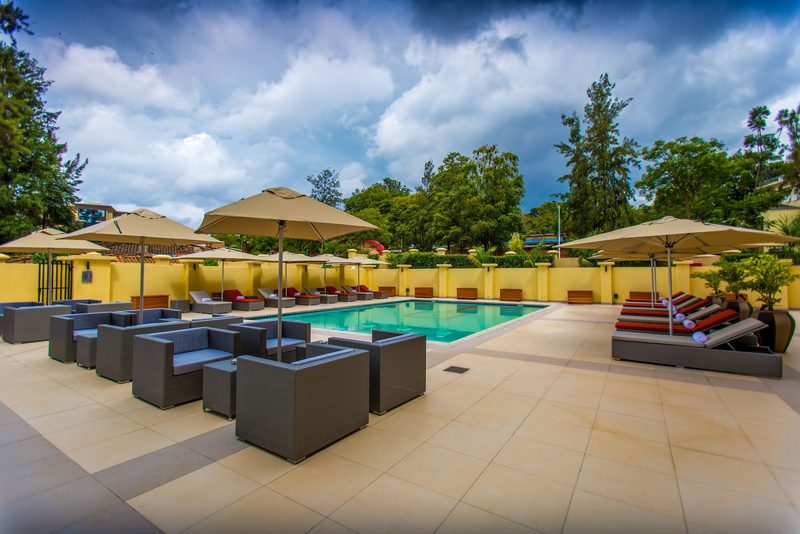
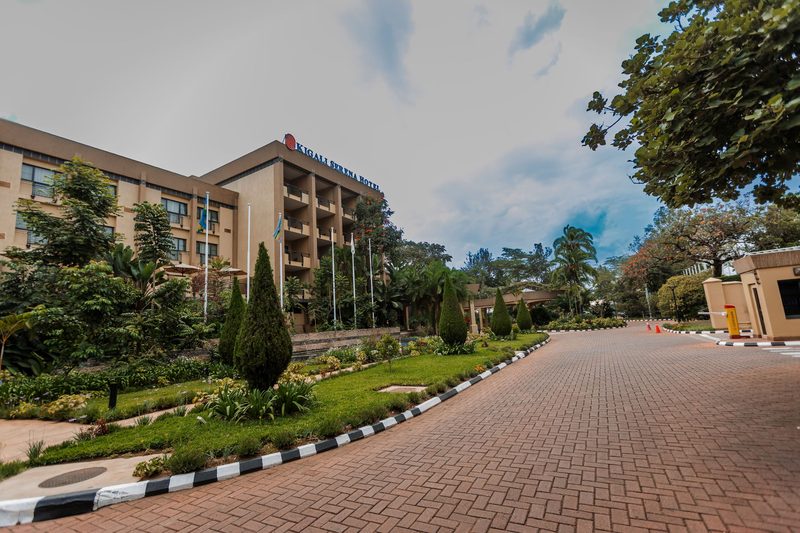
Hand-picked hotels across price tiers for January travellers.
Public Holidays in January
Dates that affect opening hours, transport and crowds
New Year's Day
Observed nationwide as a public holiday.
New Year's Day
Observed nationwide as a public holiday.
New Year's Day
Observed nationwide as a public holiday.
New Year's Day
Observed nationwide as a public holiday.
Packing Checklist
Bookmark this page — your progress is saved between visits
Need the full list with shopping links?
Climate-specific gear, brand recommendations, and what to leave at home.
View Rwanda Packing List →Essential Tips
Insider knowledge and common pitfalls to avoid
Insider Knowledge
RwandAir's new Kigali, Cape Town direct route (launched December 2025) means more connecting traffic. Book domestic legs on Akagera Aviation early to avoid sold-out seats.
Post-genocide memorials close for cleaning 1, 15 January, plan Kigali cultural sites for the second half of the month.
Coffee harvest tours in western Rwanda run daily through January. But washing stations give the best cupping sessions at 3 PM when parchment dries fastest.
Mobile money agents outside parks now accept foreign cards for park fees, a 2025 change that saves a trip to the nearest bank branch.
Avoid These Mistakes
Assuming 'dry season' means no rain at all; a 30-minute downpour at 4 PM is still common, pack the jacket anyway.
Booking gorilla permits before flights. If your international connection slips, permits are non-transferable.
Underestimating drive times, Kigali to Volcanoes is 2.5 hours on paper, 3.5 hours in traffic after rains have carved fresh potholes.
Ready to plan your trip to Rwanda?
Now that you've got the research covered, here's where to go next.
Book Experiences in Rwanda
Top-rated things to do in Rwanda this January


Explore More Activities in Rwanda
Didn't see anything interesting yet?
Browse Viator's full catalog of tours, day trips, food experiences, and private guides in Rwanda.
See All Rwanda Tours on Viator